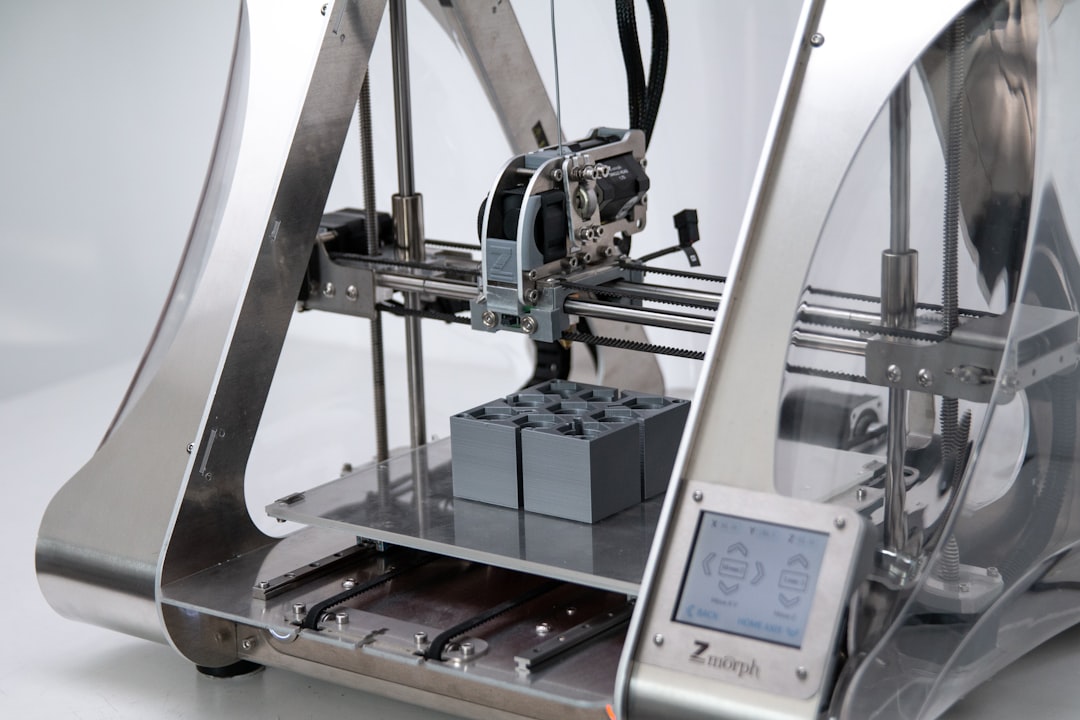
Initial Devices Manufacturers (OEM) produce components that are created particularly to collaborate with a specific product. They make the elements that go into computer systems, smart devices, as well as various other items. OEMs include Apple, HP, Dell, and also others. An usual misunderstanding about OEMs is that they only generate equipment, not software program. The fact is that they are additionally in charge of developing the software application that works on those gadgets. This is called the os or OS. OEMs might use a different business to make the chips and various other parts in their cpus, for instance. This is called an ODM, or “Original Style Maker.” As a matter of fact, some companies still utilize the term “OEM” even if they are not really suppliers of the chips themselves. In the computer system market, this is a big bargain. The hardware firms put together the parts and after that sell them to various other computer manufacturers, like Dell as well as Intel. These various other companies after that construct computers that include these chips. They then resell them to people that intend to use the computer system and also its os. This makes the OEMs a little bit like a software maker and also an equipment business. Currently, heritage spare parts are saved as physical inventory in several business’ storage facilities. This can be expensive and is not always simple to manage. In the electronic period, it is possible to reassess the manner in which spare components are equipped by electronically generating them as needed. This is a win-win for consumers and also OEMs alike. In the long run, it can lower the cost of possession of an extra parts library and also boost the performance of the whole supply chain. The digital production of extra parts is a fast-growing market, which is why Twikit has actually created a tested software program remedy for on-demand production at scale. This remedy attaches the front-end with the back-end as well as allows for a seamless end-to-end electronic production workflow. Along with reducing costs as well as enhancing functional performances, the benefits of digital production for spare parts include raised protection with IP protection services and also compliance with quality criteria. This is particularly true when it comes to 3D printed spare components, which are produced using a printer with an electronic version. There are 4 main versions of oem extra components digital production: The very first design is based on an OEM having their very own printing facilities for their own extra components. This model is ideal fit to consumers that are in continual demand for AM made extra parts and also who agree to bear the financial investments in printing centers. The 2nd design is a network model where the AM plant is connected to provider, such as extra components suppliers or solution bureaus. These solution partners create the AM parts near to the customer as well as shop the 3D files in a main data source. This network version can benefit any kind of OEMs, but it is specifically suitable for spare components suppliers as well as dealerships who are involved in a large number of vehicle projects. It makes sure that spare parts are delivered to the right place at the correct time and also can be conveniently obtained by the customer.